PSD Photography Price Card Template 20: A Versatile Tool for Creative and Business Workflows
For professionals in photography, marketing, and design, having the right tools can make a significant difference in efficiency and output quality. The PSD Photography Price Card Template 20 is one such resource that offers a blend of customization, flexibility, and high-quality output. Designed for use in both creative and business contexts, this template provides a robust foundation for creating visually appealing price cards that align with brand identity and project goals.
Understanding the PSD Photography Price Card Template 20
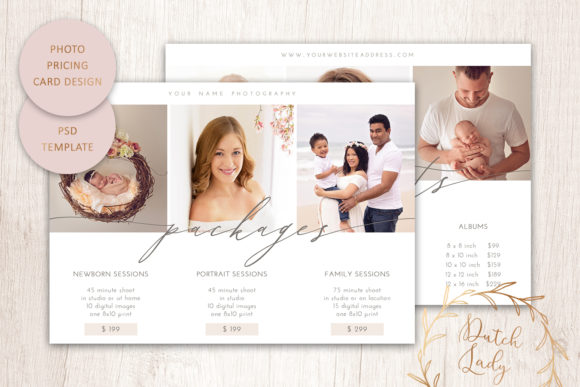
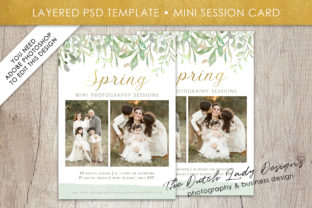
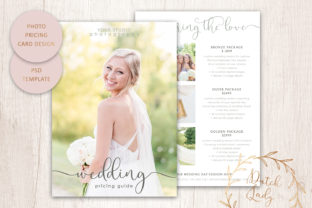
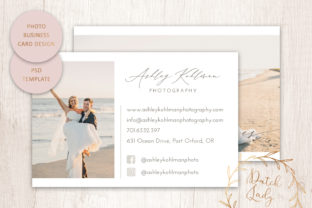
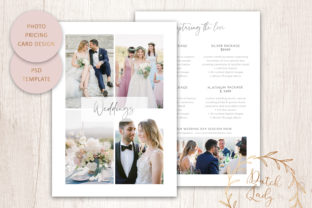
The PSD Photography Price Card Template 20 is a layered Photoshop file designed for print and digital use. It features a standard US postcard size of 7 x 5 inches, making it ideal for physical distribution or as part of an online portfolio. The template is built with high-resolution 300 dpi layers, ensuring clarity and sharpness when printed or displayed on screens.
One of the key strengths of this template is its full customization capabilities. Users can adjust text color, size, and position to match their branding or specific messaging needs. The included font files allow for easy modification without worrying about missing assets. Additionally, all elements—such as background, banner, and borders—can be customized to fit different design preferences or project requirements.
Where Does This Template Fit Into a Workflow?
The PSD Photography Price Card Template 20 can be used at various stages of a project. During the planning phase, it serves as a visual guide for structuring content and layout. For example, a photographer might use it to outline pricing tiers for different services before finalizing a proposal. During execution, it acts as a template for creating consistent, professional-looking materials across multiple campaigns or client interactions.
After a project is completed, the template can be reused for follow-up materials such as promotional brochures, event invitations, or client thank-you notes. Its adaptability makes it a valuable asset for businesses looking to maintain brand consistency while streamlining production processes.
Integration With Other Tools and Resources
While the PSD Photography Price Card Template 20 is a standalone tool, it works best when integrated into a broader workflow. For instance, designers can use Adobe Photoshop alongside other applications like Illustrator for vector-based graphics or InDesign for multi-page layouts. This combination allows for greater control over typography, color schemes, and overall design coherence.
Additionally, the template’s compatibility with standard Photoshop features means it can be easily modified using plugins or scripts. This opens up possibilities for automation, especially for users who need to generate multiple variations of the same card quickly. However, it's important to note that the template is not compatible with Photoshop Elements, so users must ensure they have the appropriate software version.
Practical Implementation Tips
To get the most out of the PSD Photography Price Card Template 20, consider the following tips:
- Plan your content first: Before diving into design, outline the key information you want to include, such as pricing, service descriptions, and contact details.
- Use the layer structure effectively: Take advantage of the organized layers to make adjustments without affecting other parts of the design.
- Test across platforms: Ensure the template looks good on both print and digital formats by previewing it on different devices and printers.
- Save versions strategically: Keep track of changes by saving multiple versions of the file, especially if working in a team environment.
- Optimize for scalability: Design with future projects in mind by keeping the template modular and adaptable to new requirements.
Workflow Examples and Use Cases
The PSD Photography Price Card Template 20 is particularly useful in scenarios where quick, professional outputs are needed. For example, a small business owner might use it to create a pricing sheet for a photography workshop. A freelancer could customize it for a client proposal, ensuring clarity and visual appeal. Educators may use it to present course fees or workshop details in a structured format.
In marketing contexts, the template can be used to create promotional materials for events, product launches, or seasonal campaigns. Its ability to handle both text and image elements makes it suitable for a wide range of applications, from simple informational cards to more complex presentations.
Factors to Consider for Long-Term Use
When incorporating the PSD Photography Price Card Template 20 into your routine, consider factors such as preparation, usability, and organization. Properly organizing your files ensures that you can access the template quickly when needed. Keeping backups of the original file helps prevent data loss due to accidental modifications or software updates.
Usability is also key. While the template offers a high degree of customization, it’s important to understand how each element interacts with others. For instance, changing the background color might affect the visibility of text, so testing different combinations is essential. Consistency in design choices across multiple cards helps maintain brand recognition and professionalism.
Conclusion
The PSD Photography Price Card Template 20 is more than just a design tool—it’s a strategic asset that supports creativity, efficiency, and brand consistency. Whether you're a photographer, marketer, or small business owner, integrating this template into your workflow can help streamline processes and enhance the quality of your output. By understanding its capabilities and limitations, you can leverage it to meet your specific needs and achieve better results in your projects.